
1. India's Global Dominance in Castor Seed & Oil Supply
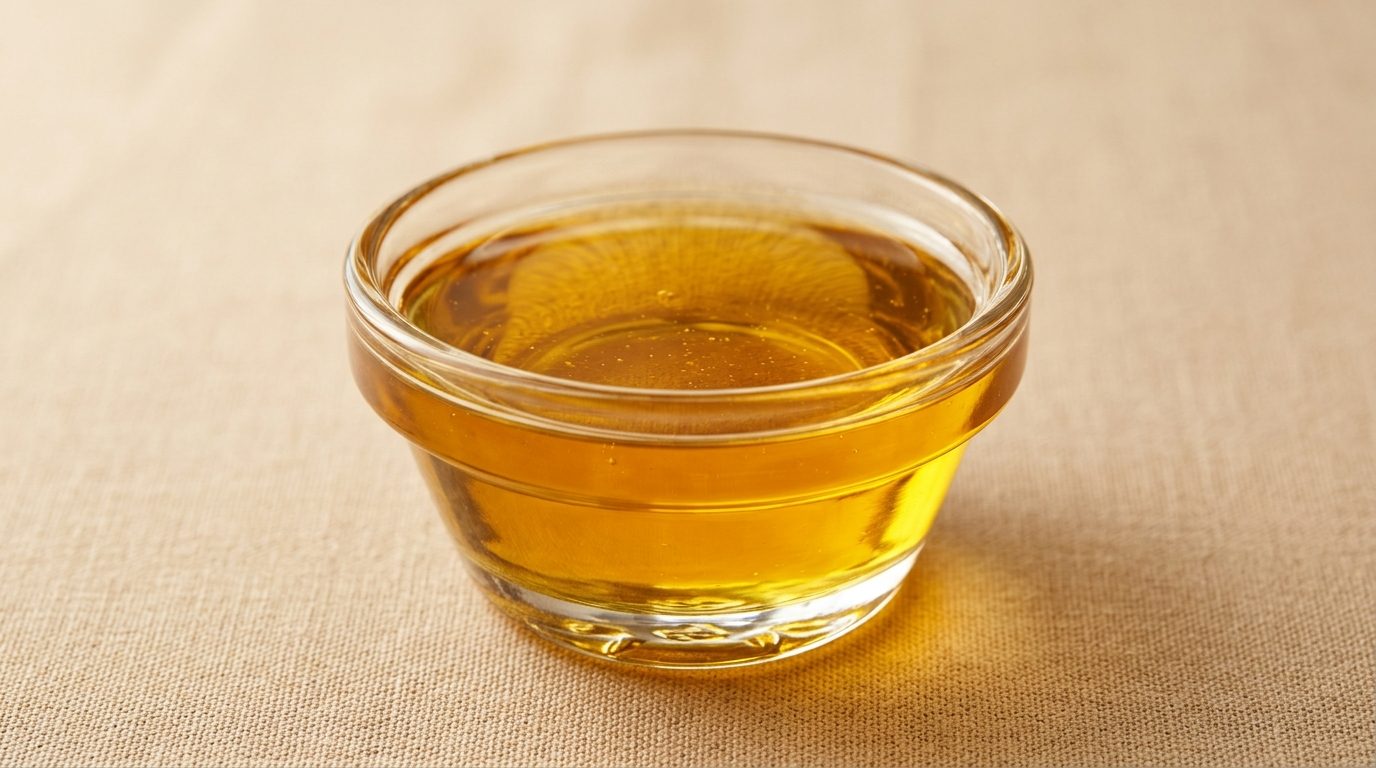
Castor oil is derived from the seeds of the Ricinus communis plant. Unlike edible vegetable oils such as soybean, palm, or sunflower whose supply chains are spread across South America and Southeast Asia, the world's castor oil ecosystem is extraordinarily concentrated: India produces between 85% and 90% of total global exports annually.
This agrarian hegemony is rooted in agro-climatic specialization. The semi-arid belts of Gujarat (Mehsana, Banaskantha, Kutch), Rajasthan, and parts of Southern India offer the precise balance of intense solar irradiance, high daytime temperatures, and minimal rainfall required for castor pods to achieve seed oil concentrations of 48% to 52%.
For international chemical corporations, automotive lubricant formulators, and pharmaceutical houses across the European Union, United States, China, and Japan, establishing dependable procurement channels with verified Indian exporters like RBN EXIM is essential for safeguarding industrial production continuity.
2. The Unique Chemistry of Ricinoleic Acid
What makes castor oil chemically indispensable in industrial manufacturing is its exceptional fatty acid profile. Approximately 88% to 92% of castor oil consists of Ricinoleic Acid (12-hydroxy-cis-9-octadecenoic acid).
Ricinoleic acid is an 18-carbon monounsaturated fatty acid possessing a rare hydroxyl (-OH) group situated on the 12th carbon atom. This functional alcohol group imparts unique chemical behaviors that distinguish castor oil from all other natural triglycerides:
- Extraordinary Viscosity & Thermal Stability: The internal hydrogen bonding created by the hydroxyl groups gives castor oil a natural viscosity roughly 100 times higher than soybean or mineral oils, maintaining fluid film lubrication even under extreme temperature swings.
- Alcohol Solubility: Unlike common non-polar vegetable oils, castor oil is completely soluble in pure ethanol and methanol at room temperature, making it ideal for pharmaceutical tinctures and cosmetic emulsions.
- Polymer Reactivity: The trifunctional chemistry (ester bonds, double bond, and hydroxyl group) allows castor oil to serve as a natural bio-polyol, reacting directly with diisocyanates to synthesize high-durability polyurethane foams, sealants, and bio-plastics without relying on petroleum feedstocks.
When reviewing laboratory test certificates for First Special Grade (FSG) castor oil, always verify the Hydroxyl Value. A genuine batch will consistently test between 160 and 168 mg KOH/g. A value below 158 mg KOH/g indicates adulteration with cheaper triglycerides (such as palm olein or residual seed oils), which destroys its reactivity in polyurethane and resin synthesis.
3. Castor Oil Export Grades: Technical Comparison Matrix
Indian export markets categorize castor oil into three primary commercial tiers based on refining intensity, Free Fatty Acid (FFA) content, and colorimetry:
| Chemical Parameter | First Special Grade (FSG) | British Standard (BSS / Pale) | Commercial Grade | Analytical Method |
|---|---|---|---|---|
| Appearance / Clarity | Clear, pale yellow, transparent | Very pale straw, brilliant | Yellowish to dark amber | Visual at 25°C |
| Free Fatty Acid (as Oleic) | < 1.0% (Max 1.0%) | < 0.75% (Max 1.0%) | 2.0% - 3.5% | AOCS Ca 5a-40 |
| Acid Value (mg KOH/g) | < 2.0 (Max 2.0) | < 1.5 (Max 2.0) | 4.0 - 7.0 | AOCS Cd 3d-63 |
| Lovibond Color (1" Cell) | Y ≤ 15.0, R ≤ 1.5 | Y ≤ 10.0, R ≤ 1.0 | Y ≤ 30.0, R ≤ 3.0 | Lovibond Tintometer |
| Hydroxyl Value (mg KOH/g) | 160 - 168 | 162 - 168 | 155 - 165 | AOCS Cd 13-60 |
| Iodine Value (Wijs) | 82 - 90 | 82 - 88 | 80 - 90 | AOCS Cd 1-25 |
| Saponification Value | 177 - 187 | 177 - 185 | 175 - 187 | AOCS Cd 3-25 |
| Moisture & Volatiles | < 0.25% | < 0.20% | < 0.50% | AOCS Ca 2c-25 |
| Primary Applications | Lubricants, bio-polyols, coatings, cosmetics, plasticizers | Pharmaceuticals, medicinal excipients, fine personal care | Hydraulic fluids, cutting oils, split fatty acids, soaps | Application Specs |
4. Key Industrial Application Sectors
The versatility of castor oil's hydroxyl functional chemistry fuels global demand across multi-billion-dollar industrial verticals:
- Automotive & Aerospace Lubricants: Due to its high shear strength and broad operating temperature range (pour point of -12°C, flash point >229°C), hydrogenated and refined castor derivatives are utilized in high-performance racing engine oils, DOT-compliant hydraulic brake fluids, and jet engine lubricants.
- Polyurethanes & Coatings: Castor oil acts as an eco-friendly polyol replacement for petroleum polyethers in rigid foams, sports footwear elastomers, automotive bumpers, and solvent-free epoxy coatings.
- Sebacic Acid & Polyamides (Nylon 11): Thermal cleavage of ricinoleic acid produces sebacic acid, which is polymerized into 100% bio-based Nylon-11 (Rilsan) used in lightweight automotive fuel lines, offshore oil conduits, and electronics casings.
- Cosmetics, Hair Care & Lip Balms: Castor oil's rich moisturizing profile, high gloss finish, and natural antimicrobial ricinoleic acid content make it a foundational ingredient in premium mascaras, lipsticks, hair growth serums, and organic soaps.
5. Bulk Packaging, Flexitank Economics & Container Shipping
Given castor oil's high viscosity and sensitivity to moisture and iron contamination, bulk shipping demands meticulous quality management:
- Flexitank in 20ft Containers (Recommended for Maximum Savings): Single-use multilayer food-grade polyethylene flexitanks installed inside standard 20ft dry containers accommodate 21.5 to 22.0 metric tons of liquid castor oil. This eliminates the expense of drum handling, cleaning, and empty container repositioning.
- 200L Mild Steel / Epoxy-Coated Drums: New 200-liter epoxy-coated steel drums (200kg net each), palletized with shrink wrap (4 drums per wooden pallet, 20 pallets per 20ft container = 16.0 MT total payload). Ideal for clients lacking bulk pumping and discharge facilities.
- 1,000L Intermediate Bulk Containers (IBC Totes): Heavy-duty composite IBCs on galvanized steel frames with bottom discharge valves (approx. 1,000kg net each; 18-20 totes per 20ft container = 18-20 MT).
- Port Consolidation: RBN EXIM routes castor oil consignments through Western and Southern Indian gateways—including Kandla/Mundra for Gujarat origin lots, and Chennai/Nhava Sheva for Southern aggregation hubs—ensuring rapid transit times and vessel departures.