
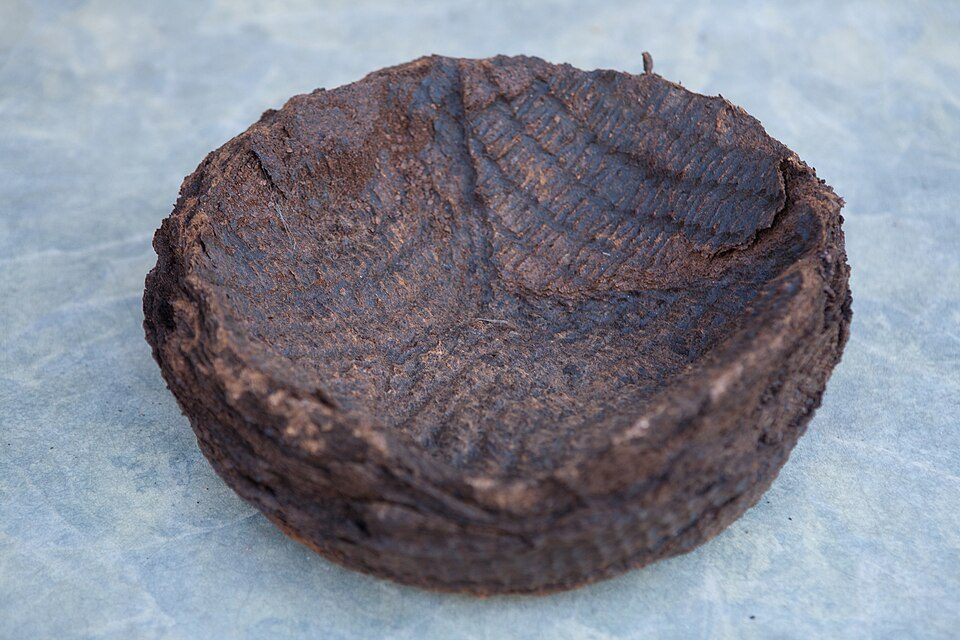
1. The Circular Bio-Economy: From Copra Crushing to Animal Nutrition
In an era where livestock nutritionists and institutional feed blenders face mounting pressure to reduce carbon footprints and eliminate genetically modified components, Coconut Expeller Cake—commonly traded as Copra Meal or Copra Cake—represents the pinnacle of upcycled agricultural value.
Copra meal is the nutrient-dense solid co-product remaining after mechanical screw-press oil extraction from high-grade dried coconut kernel (copra). Unlike solvent-extracted meals that utilize petrochemical solvents like hexane, authentic expeller cake produced in Tiptur's traditional milling heartland is derived via purely mechanical pressure.
This gentle, chemical-free processing leaves behind a wholesome residual oil content (8% to 11%), providing a calorie-dense matrix of medium-chain triglycerides (MCTs), bio-available amino acids, and beneficial dietary fiber that stimulates digestive vigor across dairy herds, swine, and aquaculture species.
2. Nutritional Profile: The Dairy "Bypass Protein" Advantage
For animal nutritionists formulating total mixed rations (TMR), coconut expeller cake occupies a unique nutritional sweet spot between protein meals and high-energy cereal grains:
- Crude Protein (20% - 22%): While lower in total crude protein than 48% de-hulled soybean meal, copra meal possesses an exceptional amino acid availability profile, providing rich concentrations of glutamic acid, arginine, and aspartic acid.
- Rumen Undegradable Protein (RUP >45%): In high-yielding dairy cows, over-rapid ruminal degradation of dietary protein wastes valuable nitrogen as urea. Copra meal has a naturally high "bypass" or RUP fraction (approx. 45-50%), allowing high-value amino acids to bypass rumen fermentation and absorb directly in the abomasum, significantly stimulating daily butterfat synthesis and milk volume.
- Residual Lauric Oil Energy (8% - 11%): The unextracted coconut oil contained in expeller cake is rich in Lauric Acid (C12:0). Lauric acid possesses potent antimicrobial properties that selectively inhibit methane-producing ruminal methanogens while preserving cellulolytic bacteria, simultaneously boosting feed conversion and curbing livestock greenhouse gas emissions.
- High Palatability & Aroma: The toasted, naturally sweet coconut aroma improves ration palatability, encouraging consistent dry matter intake (DMI) during postpartum lactation peaks and heat stress periods.
Copra meal contains approximately 10% to 12% crude fiber (rich in galactomannans). For ruminants, this fiber serves as a gentle, non-acidogenic energy buffer preventing sub-acute ruminal acidosis (SARA). However, for monogastric species like broiler chickens, inclusion rates should be maintained at 5% to 10% or supplemented with beta-mannanase enzyme complexes to unlock maximum digestible energy.
3. Laboratory Benchmarks: Feed Grade Technical Specifications
Global feed buyers should require suppliers to verify batches against the following standard laboratory parameters:
| Nutritional Parameter | RBN EXIM Standard Feed Grade | Low-Grade Commercial Cake | Testing Methodology |
|---|---|---|---|
| Crude Protein (N × 6.25) | 20.0% - 22.5% Min | 16.0% - 18.0% | Kjeldahl Combustion (ISO 5983) |
| Crude Fat (Residual Oil) | 8.0% - 11.0% | 5.0% - 7.0% (Over-extracted) | Soxhlet Petroleum Ether Extraction |
| Crude Fiber | 10.0% - 12.0% Max | 14.0% - 18.0% (Shell adulteration) | Ceramic Crucible Acid/Alkali Digest |
| Moisture Content | < 8.5% (Max 9.5%) | 11.0% - 13.0% (Mold hazard) | Oven Drying 105°C (ISO 6496) |
| Total Ash Content | < 6.5% Max | 8.5% - 12.0% (Dirt contamination) | Muffle Furnace 550°C (ISO 5984) |
| Acid Insoluble Ash (Sand/Silica) | < 1.0% Max | 2.5% - 4.0% | Hydrochloric Acid Gravimetry |
| Aflatoxin B1 | < 20 ppb (EU < 5 ppb upon spec) | Often > 50 - 100 ppb | HPLC / ELISA Fluorescence |
| Physical Form | Flakes, coarse meal, or pellets | Uneven dusty lumps | Visual Inspection |
4. Multi-Species Feeding Applications
Coconut expeller cake is incorporated across multiple commercial animal feeding segments:
- Dairy Cattle & Buffaloes: Recommended inclusion rate: 15% to 30% of the concentrate mix. Increases milk production by 1.0 to 1.8 liters per cow daily, raises milk fat test by 0.2 to 0.4 percentage points, and supports cow body condition score (BCS) during early lactation.
- Beef Cattle & Feedlot Steers: Inclusion rate: 20% to 35%. Enhances firm white carcass fat deposition and marbling, avoiding the soft yellow fat associated with unsaturated vegetable oils.
- Commercial Swine Rations: Inclusion rate: 10% to 15% in grower and finisher diets. Improves pork belly firmness and provides gut-protective medium-chain fatty acids.
- Aquaculture & Tilapia/Carp Diets: Inclusion rate: 5% to 12%. Functions as a stable protein-energy binder in sinking and floating feed pellets with high water stability.
5. Packaging, Fumigation & Container Shipping Logistics
Because copra meal is an organic proteinaceous feedstuff, preventing moisture migration, rancidity, and insect infestation during ocean transit is crucial:
- Bagged Packing Options: Packed into new, heavy-duty 50kg woven polypropylene (PP) bags with UV stabilization and inner lamination, or in 1,000kg reinforced jumbo bags (FIBC) for automated bulk feed mill hoppers.
- Container Stowage Payloads: A 20ft dry ocean container carries approximately 17 to 18 metric tons of bagged copra cake. A 40ft High Cube container accommodates 25 to 26 metric tons, maximizing cargo payload per container box.
- Mandatory Phosphine Fumigation: Every export container undergoes certified aluminum phosphide or methyl bromide fumigation under government-approved plant quarantine monitoring, ensuring zero live pest or weevil emergence upon arrival.
- Export Certification: Consignments are accompanied by Phytosanitary Certificates issued by the Plant Quarantine Organization of India, non-GMO declarations, Certificate of Analysis (COA), and certificate of origin under APEDA/FSSAI oversight.