
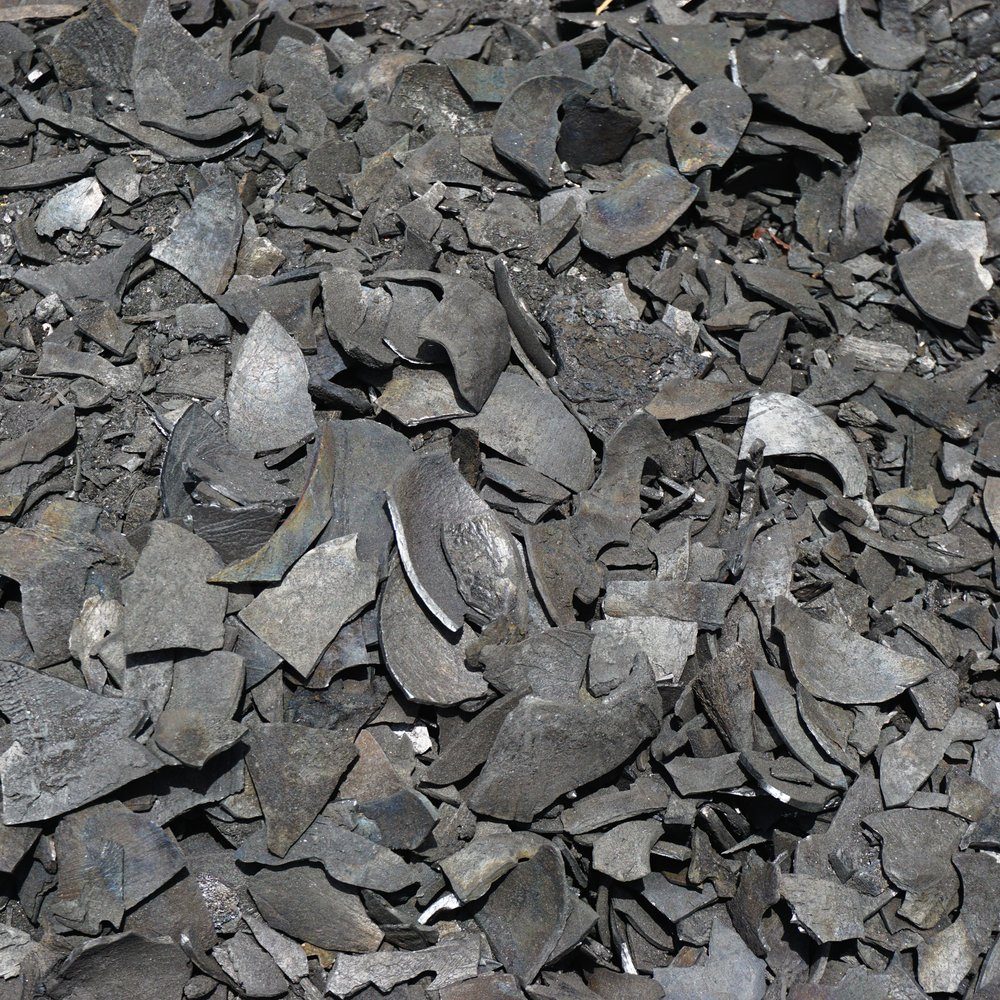
1. Why Coconut Shell Charcoal Dominates the Activated Carbon Sector
Activated carbon can theoretically be synthesized from any carbonaceous substance—including bituminous coal, lignite, peat, bamboo, and hardwood. However, when evaluating performance in gas-phase filtration, potable water purification, and industrial precious metal elution, coconut shell-derived activated carbon commands an unchallenged global leadership position.
The physical secret lies in the biological matrix of the mature coconut endocarp. Grown under the intense tropical sun of Southern India, the coconut shell develops an ultra-dense, lignocellulosic cellular structure. When carbonized through oxygen-depleted pyrolysis, this biological framework translates into a predominantly microporous pore matrix—where over 85% to 90% of total surface area consists of microscopic cavities measuring less than 2 nanometers (20 Ångströms) in diameter.
These sub-nanometer dimensions precisely correspond to the molecular kinetic diameters of volatile organic compounds (VOCs), halogenated hydrocarbons, chlorine molecules, and complex gold cyanide complexes. Coal and wood carbons, by contrast, feature extensive macroporous and mesoporous structures, making them far less efficient at capturing small-molecule contaminants in low concentrations.
2. Key Laboratory Benchmarks for Industrial Importers
Procurement managers sourcing raw charcoal chips or pulverized powder must evaluate laboratory certificates against strict standardized parameters (ASTM standards):
- Fixed Carbon Content (>75% to 82%): Fixed carbon is the direct yield indicator for downstream steam activation kilns. Higher fixed carbon directly correlates with superior iodine numbers (exceeding 1050 to 1150 mg/g) and enhanced carbon yield per metric ton consumed.
- Ash Content (<3.0% Max): Unburned mineral residue diminishes adsorption capacity and leaches unwanted inorganic salts into water filtration beds. Premium South Indian coconut shell charcoal consistently records ash values below 2.5%, whereas low-grade pit charcoal frequently surpasses 6% due to dirt contamination.
- Moisture Content (<8.0%): Excess moisture inflates shipping freight costs, causes self-heating risks during maritime transit, and consumes unnecessary thermal energy during rotary kiln activation.
- Volatile Combustible Matter (12% to 16%): Controlled volatile matter ensures the charcoal reacts evenly with steam inside downstream activation chambers without generating thermal hotspots or excessive dusting.
- Mechanical Hardness (>98% Ball-Pan Hardness): High structural rigidity prevents particle attrition and dust generation during high-pressure liquid bed filtration and gold-in-pulp (CIP/CIL) agitation processes.
When combusting a laboratory sample of authentic coconut shell charcoal, the residual ash must be pure greyish-white or pale cream. If the residue appears dark brown, reddish, or yellowish, the batch has been adulterated with wood bark, coir pith, or soil matter—substantially degrading its downstream activation efficiency.
3. Charcoal Chips vs. Charcoal Powder: Application Matrix
RBN EXIM supplies coconut shell charcoal across two distinct physical formulations, each optimized for specialized industrial value chains:
| Specification Parameter | Charcoal Chips (Granular) | Charcoal Powder (Pulverized) | Testing Methodology |
|---|---|---|---|
| Physical Mesh Size | 3x8 mesh, 4x8 mesh, 8x16 mesh (Natural Chips 2-8cm) | 100 mesh, 200 mesh, 300 mesh fine powder | ASTM D2862 Sieve Analysis |
| Fixed Carbon (Dry Basis) | 75.0% - 82.0% | 72.0% - 78.0% | ASTM D3172 Proximate Analysis |
| Ash Content | < 2.5% (Max 3.0%) | < 3.5% (Max 4.0%) | ASTM D3174 Muffle Furnace |
| Moisture Content | < 7.0% (Max 8.0%) | < 5.0% (Max 6.0%) | ASTM D3173 Gravimetric Oven |
| Apparent Bulk Density | 0.48 - 0.55 g/cm³ | 0.38 - 0.45 g/cm³ | ASTM D2854 Tapped Density |
| Primary Industrial Uses | Activated carbon precursor, rotary kilns, gold recovery, potable water filters | Foundry fluxes, pyrotechnics, soil biochar, hookah briquettes, metallurgy | Commercial Application Standards |
4. Sustainable Pyrolysis & The RBN EXIM Advantage
Traditional charcoal burning in uncontrolled earthen pits releases massive greenhouse gases, generates high ash due to dirt mingling, and produces unevenly carbonized batches.
The RBN EXIM Clean-Tech Approach: Located in the heart of Karnataka's coconut heartland (Tiptur), RBN EXIM aggregates mature coconut shells directly from our own copra processing lines and local farmer federations. The shells are de-husked, cleaned of fibrous coir residues, and processed in indirect-fired rotary carbonizers and closed drum retorts operating at temperatures between 550°C and 750°C.
This closed-loop thermal treatment ensures uniform cracking of hemicellulose and lignin while capturing combustible synthesis gases to sustain the carbonization cycle. The result is an exceptionally pure, unburned-free product with zero soil adulteration and consistent batch-to-batch chemical homogeneity.
5. Packaging, IMDG Regulations & Bulk Container Logistics
Exporting charcoal requires strict adherence to international maritime safety guidelines. Under the International Maritime Dangerous Goods (IMDG) Code, freshly prepared carbonaceous materials are classified under Class 4.2 (Substances Liable to Spontaneous Combustion, UN 1361/1362).
To ensure hassle-free, secure international shipments, RBN EXIM enforces rigorous weathering and shipping compliance protocols:
- Mandatory Curing & De-Aeration: Every production batch undergoes a minimum 14-day open-air weathering period on hygienic concrete drying terraces. This natural passivation allows the active carbon sites to stabilize, eliminating any risk of exothermic oxidation during ocean transit.
- UN 3313 Self-Heating Test Exemption: Each production campaign is tested and certified by accredited marine surveyors (such as SGS or Intertek) demonstrating that the charcoal does not exhibit self-heating properties under UN test standards, permitting declaration as non-hazardous cargo under IMDG Special Provision 925.
- Flexible Bulk Packaging Options: Supplied in standard 25kg/50kg multi-wall woven polypropylene (PP) bags with UV-resistant coatings, or in 500kg/1,000kg reinforced jumbo bulk bags (FIBC) equipped with top filling spouts and discharge chutes.
- Container Payloads: A 20ft dry container carries roughly 10 to 12 MT of charcoal chips, while a 40ft High Cube container easily accommodates 20 to 22 MT (or up to 24 MT for palletized dense powder).